
Robotic lawn mowers offer a convenient, hands-free approach to lawn maintenance, but they are not a universal solution for every garden. Their performance depends heavily on garden layout, lawn condition, and how the outdoor space is used. Understanding whether your garden is suitable is essential before making an investment, as the right environment allows a robotic mower to deliver consistent results with minimal intervention.
One of the most important factors is lawn size. Robotic mowers are designed to work within specific area limits, usually measured in square metres. Small to medium-sized lawns are often ideal, as the mower can easily maintain grass height without long operating times. Larger gardens can still be suitable, but they require higher-capacity models and careful planning to ensure the mower can cover the entire area efficiently. Exceeding the recommended lawn size can lead to uneven results and increased wear on the machine.

Garden shape also plays a significant role. Simple, open lawns with gentle curves and minimal obstructions are best suited to robotic mowing. Straightforward layouts allow the mower to navigate efficiently and avoid unnecessary overlaps. Gardens with multiple narrow passages, sharp corners, or complex sections may still work, but they often require more detailed setup and adjustment. Boundary wires must be carefully positioned to guide the mower accurately, which can be time-consuming in more intricate spaces.
Slope and terrain are another key consideration. Most robotic lawn mowers can handle gentle to moderate slopes, but very steep gradients may exceed their capabilities. Slopes combined with uneven ground can cause traction issues, leading to missed patches or increased wear on wheels and motors. Flat or gently sloping lawns provide the most reliable results and allow the mower to operate consistently across the entire area.
Obstacles within the garden can influence suitability as well. Trees, flower beds, ponds, and garden furniture all need to be accounted for during installation. While robotic mowers are designed to detect and avoid obstacles, excessive clutter can reduce efficiency. Clearly defined edges and well-organised spaces make it easier for the mower to operate without constant intervention. Lawns with frequent changes, such as temporary play equipment or movable furniture, may require regular adjustments to maintain optimal performance.
Midway through assessing garden suitability, many homeowners consult specialists like Garden Machinery Direct to better understand how different robotic mower models handle varying layouts and conditions. Expert guidance can help determine whether adjustments or upgrades are needed to make a garden compatible.
Grass type and lawn condition are often overlooked but remain important. Robotic mowers perform best on regularly maintained lawns with relatively even growth. Extremely long, coarse, or patchy grass may need initial preparation using a traditional mower before a robot can take over. Once established, the robotic mower’s frequent cutting routine helps maintain a consistent lawn height and encourages healthier growth.
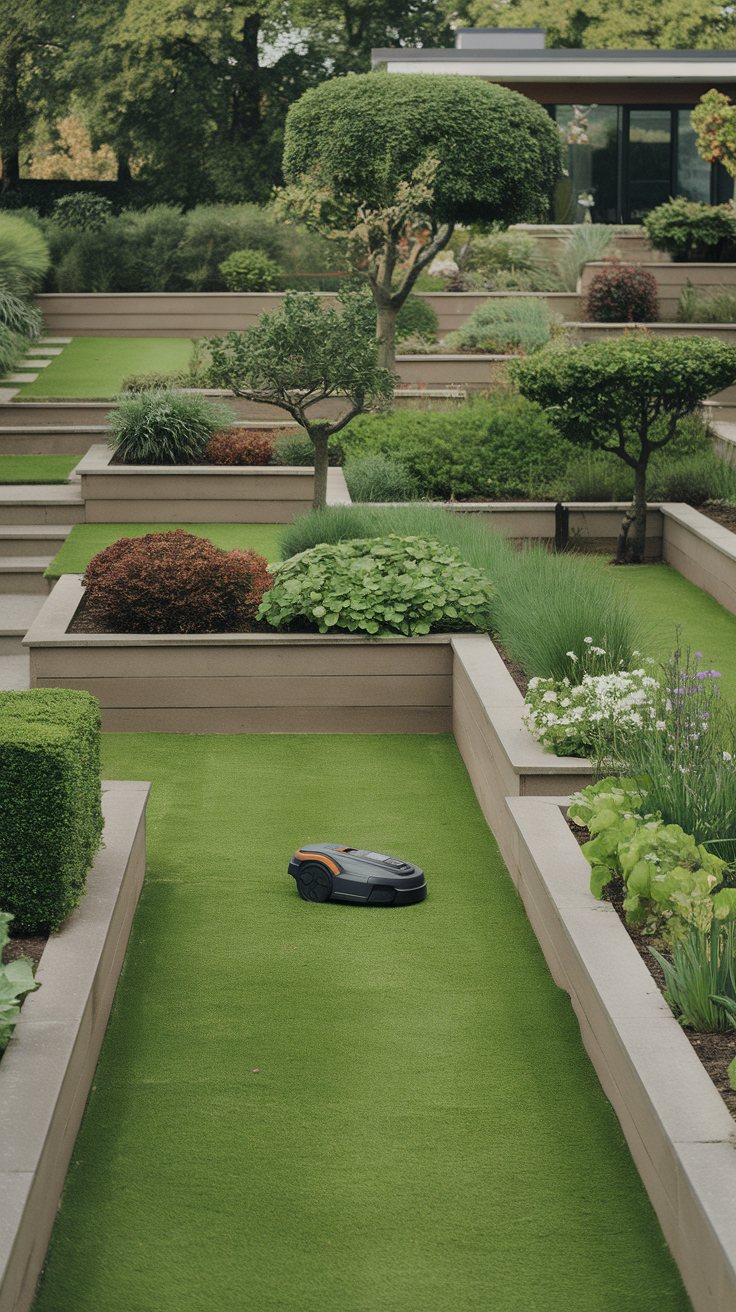
Connectivity between lawn areas is another consideration. Robotic mowers are most effective when operating within a single, continuous area. Gardens with separate lawn sections divided by paths, steps, or driveways may still be suitable if guided passages are installed, but this adds complexity. Multiple disconnected areas often require either manual relocation or multiple machines.
Security and storage should also be considered. Robotic mowers are typically left outdoors during the mowing season, returning to a charging station when not in use. Gardens with secure boundaries and discreet charging locations reduce the risk of theft or interference. Access to a power source for the charging station is also essential, ideally located in a sheltered position.
Finally, lifestyle plays a role in determining suitability. Robotic mowers are ideal for homeowners who value convenience and consistent lawn appearance over hands-on involvement. They suit those who prefer automated maintenance and are comfortable with initial setup and programming.
In summary, the best gardens for robotic lawn mowers are those with manageable lawn sizes, simple layouts, gentle terrain, and clear boundaries. By carefully assessing your garden’s characteristics before investing, you can ensure a robotic mower delivers reliable performance and long-term value rather than unnecessary frustration.