In today’s fast-paced world, stress and physical tension have become part of everyday life. Between long work hours, demanding schedules, and the pressures of modern living, our bodies and minds rarely get the chance to fully unwind. Spa treatments—once considered a luxury—are now increasingly recognized as essential tools for maintaining both physical and emotional balance. What many don’t realize is that there’s real science behind the sense of calm and relief experienced during a professional spa session. From improved circulation to the release of mood-boosting hormones, each treatment delivers tangible health benefits that extend well beyond the treatment room.
At the core of these benefits is the body’s physiological response to relaxation. When you receive a massage or hydrotherapy session, the body’s stress hormone levels—particularly cortisol—begin to decrease. At the same time, the parasympathetic nervous system activates, triggering what’s known as the “rest and digest” response. This shift slows the heart rate, lowers blood pressure, and promotes a state of calm. The effects are not just mental; they also directly influence the body’s ability to repair itself, reducing inflammation and tension in the muscles.

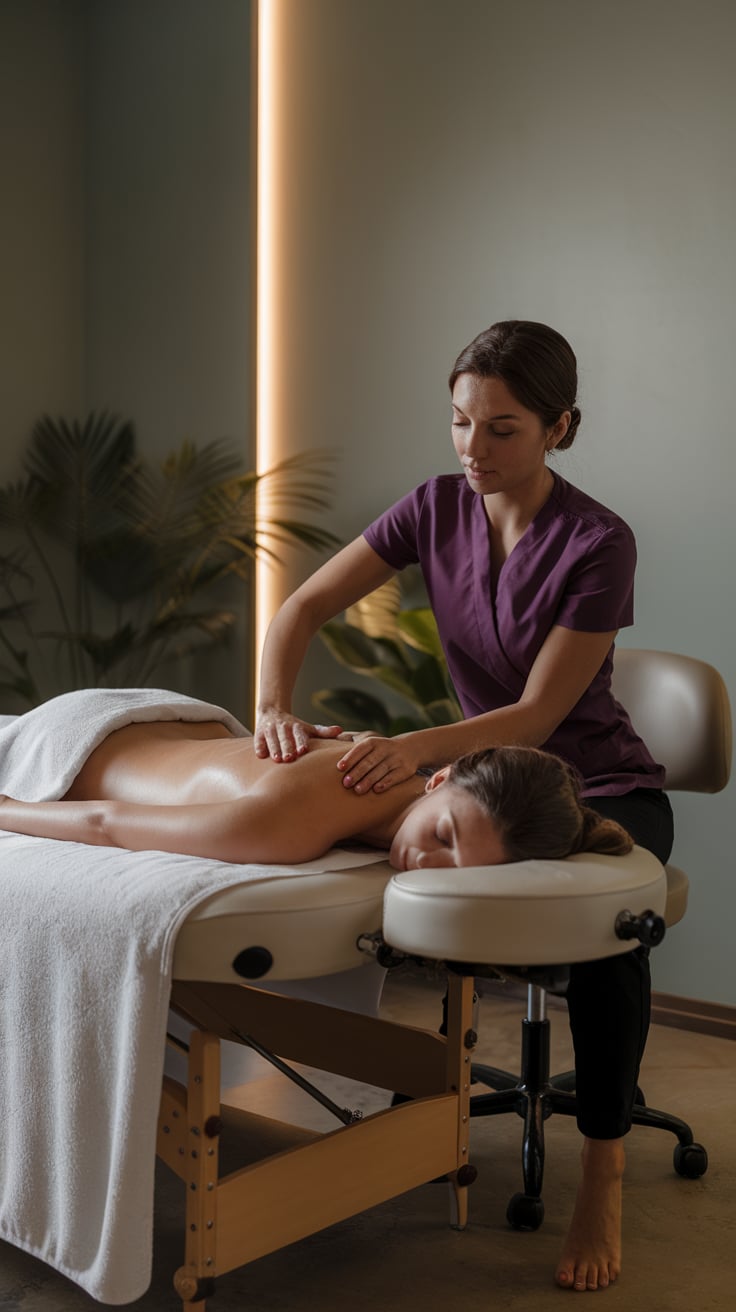
Massage therapy, in particular, has been shown to enhance muscle recovery and flexibility. During exercise or periods of physical strain, micro-tears form in muscle fibers. These tiny injuries lead to soreness and stiffness as the body works to repair them. Massage increases blood flow to these areas, delivering oxygen and nutrients that accelerate the healing process. It also helps flush out metabolic waste, such as lactic acid, which often accumulates in tired muscles. Over time, regular massage therapy improves joint mobility, reduces recovery time, and supports overall physical performance.
Hydrotherapy—the therapeutic use of water—is another highly effective method for easing muscular tension. Alternating between warm and cold water immersion stimulates circulation and enhances oxygen delivery to tissues. Warm water soothes muscle stiffness and promotes relaxation, while cold water reduces inflammation and numbs pain. This combination not only aids recovery for athletes but also benefits anyone experiencing daily aches from long hours of sitting or physical labor. At Manor & Ashbury Resorts, hydrotherapy treatments are designed with this balance in mind, combining heat, pressure, and buoyancy to create the perfect environment for recovery and rejuvenation.
The benefits of spa treatments go far beyond the physical realm. Mental wellbeing is profoundly influenced by relaxation therapies. When the body releases endorphins—natural chemicals that promote happiness—it counteracts the effects of stress hormones and helps stabilize mood. Treatments like aromatherapy and reflexology harness the power of scent and touch to deepen this sense of calm. Essential oils such as lavender, eucalyptus, and chamomile not only smell pleasant but also have measurable effects on the brain’s limbic system, which governs emotion and memory.
Furthermore, the sensory environment of a spa plays a critical role in its therapeutic power. Gentle lighting, tranquil sounds, and soothing aromas work together to quiet the mind and promote mindfulness. This intentional design helps people disconnect from external stressors and focus entirely on their own wellbeing—a rare and necessary experience in today’s constantly connected world.
Regular spa treatments can even contribute to long-term mental health improvements. By promoting relaxation and reducing anxiety, they help regulate sleep patterns and boost overall energy levels. Consistent stress relief supports immune function, lowers the risk of cardiovascular disease, and enhances focus and productivity. For individuals managing chronic stress or muscle tension, these therapies can be an essential complement to medical or lifestyle interventions.
What makes spa treatments truly effective is the integration of mind and body healing. Modern research increasingly supports what ancient wellness traditions have known for centuries: physical and emotional health are inseparable. A relaxed body fosters a calm mind, and a balanced mind enhances the body’s natural ability to heal.
In essence, spa treatments are not simply indulgent—they’re restorative. Whether it’s a deep-tissue massage, a hydrotherapy soak, or an aromatherapy session, each treatment serves a deeper purpose: helping the body reset and recover, while allowing the mind to regain clarity and peace.
Taking time for self-care is not a luxury; it’s an investment in long-term health. When approached with intention and regularity, spa therapies can transform how you feel and function—elevating not only your physical resilience but also your emotional wellbeing. In a world that demands constant motion, the science of relaxation offers one clear message: sometimes, the best way to move forward is to slow down.