
How to Improve Hair During Menopause with CALECIM®
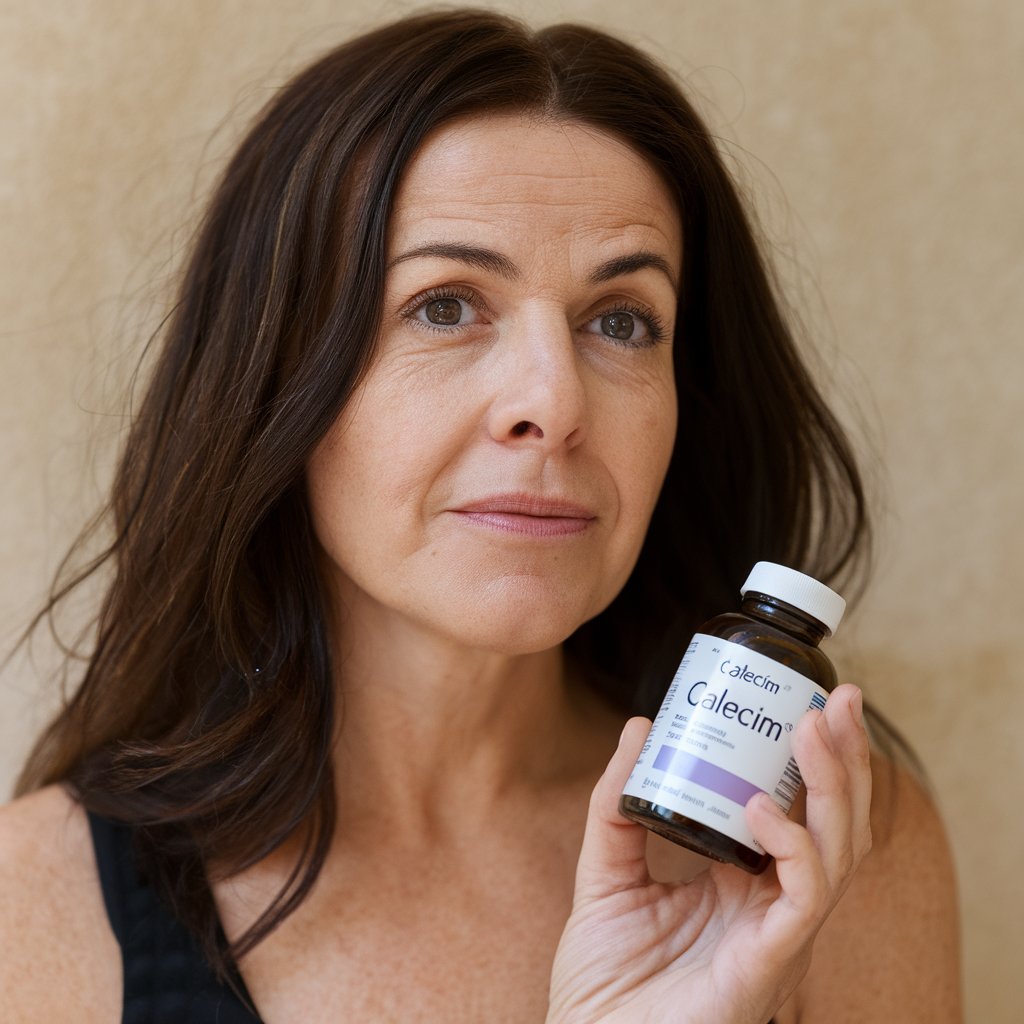
During menopause, declining estrogen levels are linked to changes in hair cycling and the scalp environment. CALECIM® Professional’s Advanced Hair System delivers concentrated cell-signalling factors (PTT-6®) that promote follicle activity, reduce inflammatory cues. It has also been shown to improve hair width, count, and active follicles in 6–12 weeks. Start using CALECIM® hair serum early, complemented by dietary and lifestyle changes. Furthermore, if advised by a dermatologist, incorporate medical treatments.
Why CALECIM® first:
- Mechanism aligned to menopause: CALECIM®’s signaling factors help counter inflammation and stress around follicles and encourage anagen support. Singapore Polytechnic found that using PTT-6® led to a 24% increase in follicle cell production and a 30× decrease in inflammatory cues.
- Measured outcomes in people: Results with topical PTT-6® show 16% growth in hair width, 14% higher hair count, and 15% mpre active follicles per cm².
- Timeline: visible benefits can appear by week 6. Many complete a 6–12 week treatment and then maintain.
- Who it’s for: early-to-moderate female pattern thinning (Ludwig I–II), including perimenopause/menopause.
You can review before-and-after for Calecim’s products and usage.
Safety note: For diagnosis and medical treatments, see a board-certified dermatologist, especially to rule out scarring alopecias, thyroid/iron issues, or medication effects.
Treatment Comparisons & Options
Choose CALECIM® when you want a non-drug, clinic-style signalling approach validated for early menopausal thinning. Consider adjuncts if your dermatologist identifies androgen sensitivity or nutrient deficits, or when density goals are higher.
| Option | Pros | Cons |
| CALECIM® Advanced Hair System (PTT-6®) | It is cosmetic and non-drug-focused, with measurable improvements at 12 weeks (16% increase in width, 14% increase in hair count, and 15% increase in active follicle growth). It is designed to be paired with microneedling | It requires regimen adherence, and the results vary by stage |
| Topical/oral Minoxidil | It is the most recommended medication, prolongs anagen, and is widely available | Shedding “ramp-up,” scalp irritation/hypertrichosis is possible with daily long-term use |
| PRP (in-clinic) | It is autologous. Multiple meta-analyses show density gains, including in women | It is costly, and protocols vary. The evidence quality is heterogeneous |
| Nutraceuticals (e.g., marine protein, multi-nutrient blends) | Some RCTs in women show reduced shedding and increased terminal hairs/diameter | The quality varies, and it is not a standalone fix for FPHL. |
Start with CALECIM® for menopausal hair support, and layer microneedling for delivery.
Step-by-step how-to
Step 1: Confirm the diagnosis
See a dermatologist to confirm female pattern hair loss and exclude conditions like chronic telogen effluvium, scarring alopecias and thyroid/ferritin issues. Early treatment yields the best outcomes.
Step 2: Start CALECIM® Advanced Hair System
For women, apply per program: 2 times per week for 6 weeks (treatment), then once a week for 3 months for maintenance. This mirrors the usage that clinicians recommend and the intervals in which CALECIM® reports visible benefits.
Why: PTT-6® signals help boost the activity of follicle cells by 24% in lab tests and lower inflammation signals by about 30 times, which is important for hair thinning Human data show 16% growth in width, 14% growth in count, 15% higher active follicles at 12 weeks.
Step 3: Add microneedling for delivery
To improve penetration and signaling, use a sterile derma-stamper in accordance with clinic protocol. Compared to topical therapy alone, microneedling improves results, according to clinical RCTs.
Step 4: Discuss diet and lifestyle
- Check iron/ferritin and vitamin D levels if shedding is prominent. Correct deficiencies, as they can cause hair loss, according to the Asian Journal of Medical Sciences.
- Take into account evidence-based supplements (like marine protein complexes) that have been demonstrated in randomized controlled trials to decrease shedding and increase terminal hairs/diameter in women aged three to six months.
- Be cautious with high-dose biotin, as it can interfere with lab tests (FDA).
Step 5: Layer medications if your dermatologist advises
- Minoxidil, in addition to CALECIM®, can be used to prolong anagen in this menopause-specific regimen.
- Anti-androgens (e.g., spironolactone) may be considered in select patients with androgen-driven patterns. You can further discuss risks/benefits with your clinician.
 Combination therapy ideas
 Combination therapy ideas
 - Microneedling combined with CALECIM®: improved delivery and signaling assistance.
- The complementary mechanisms of CALECIM® and minoxidil (signaling versus vasodilatory/anagen support). Add only if your dermatologist recommends.
- CALECIM® + PRP (clinic): PRP adds autologous growth factors; evidence shows density benefits, especially with multi-session plans.
Safety & when to consult: Active scalp disease, pregnancy/breastfeeding, cancer history, autoimmune disease, or uncontrolled endocrine issues warrant dermatology oversight before starting any regimen.
FAQs
Q1: How soon can I expect results with CALECIM® Professional?
Some users notice benefits by week 6, all measured improvements in hair width/count are reported at 12 weeks. Your consistency matters to achieve results.
Q2: Is CALECIM® safe to combine with Minoxidil or PRP?
Yes, CALECIM® is a non-drug cosmetic; clinicians commonly layer it with topical medications or PRP to address multiple pathways. Always follow your dermatologist’s advice.
Q3: Do I need microneedling for CALECIM® to work?
Brand clinical observations were conducted with a derma-stamper. If you don’t use it, your results might suffer.
Read More: Hair Transplantation: Celebrity Solutions and Everyday Options