
For many drivers, a private number plate is a personal touch that adds character and exclusivity to their vehicle. Whether it’s your initials, a memorable phrase, or a clever combination of letters and numbers, private plates can make a car feel unique. But a common question lingers for anyone considering the switch: do private plates affect car insurance? It’s a topic surrounded by confusion, as drivers worry that a simple change in registration could lead to higher premiums or complications with coverage. In the middle of this discussion, Regplates reminds motorists that while insurers do take note of registration changes, private plates themselves rarely influence how much you pay—what matters is how you manage the change.
The truth is, insurance companies are less concerned about the plate itself and more about the details behind it. When you add a private registration to your car, you’re not altering the performance, value, or safety features of the vehicle—all key factors that determine your premium. However, insurers need accurate and up-to-date information. If your vehicle’s registration number changes but your insurer’s system still lists the old one, it can lead to confusion in the event of a claim or even render your policy invalid.
This is why communication is crucial. Any time you transfer or remove a private plate, it’s your responsibility to inform your insurer. It’s not that the change will automatically increase your premium, but rather that failing to report it could cause administrative issues later. Insurance providers must be able to identify your car correctly, especially when cross-referencing DVLA records or processing claims. A quick phone call or online update usually resolves this within minutes.

Another misconception among drivers is that private plates signal a higher-value car, and therefore, higher premiums. While a luxury or rare vehicle naturally costs more to insure, the plate itself doesn’t alter this equation. A personalised registration doesn’t increase your car’s market value or make it more powerful—it only changes how it’s identified. Insurers calculate risk based on data such as make, model, engine size, safety rating, and repair costs—not what’s displayed on the registration plate.
That said, there are a few scenarios where a private plate might indirectly affect your policy. For example, if the plate is particularly valuable or collectible, you may want to insure it separately. Just like a high-end accessory or modification, the financial value of a rare plate can be significant. Some private plates are worth thousands of pounds—sometimes more than the vehicle itself. In such cases, plate insurance (offered by specialist brokers) protects your registration from loss or theft, ensuring it remains your asset even if the vehicle is written off.
Another consideration is when you sell your vehicle. If you decide to remove your private plate and return the car to its original registration, you’ll need to update both the DVLA and your insurer. Failure to do so could delay any future claims or result in incorrect paperwork being used to verify ownership.
One area where private plates can cause confusion is vehicle identification during a claim. For instance, if your car is stolen or involved in an accident, police or insurers may initially track the wrong registration if the databases haven’t been updated. This underscores the importance of keeping all relevant parties informed whenever you make a registration change.
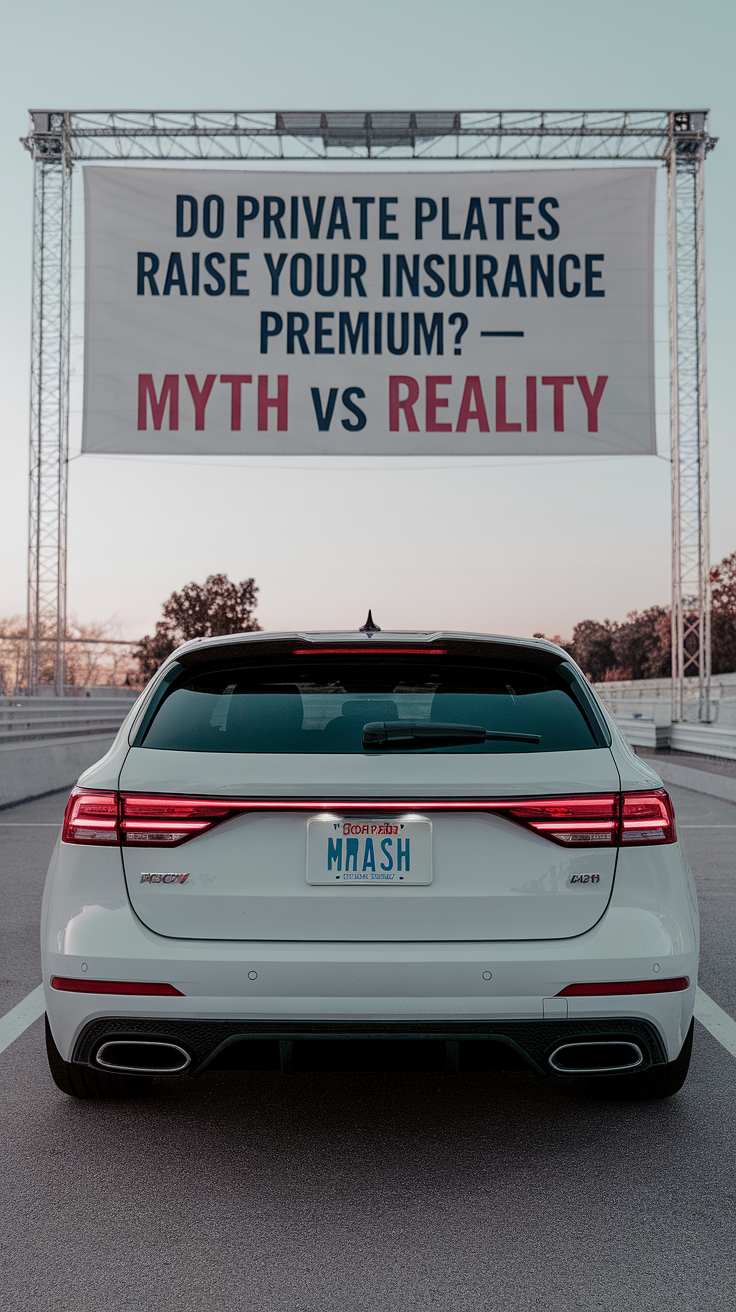
Beyond that, private plates generally have no bearing on how insurers assess risk. A driver’s record, location, and driving habits carry far more weight. In other words, your clean driving history and responsible use of the vehicle will do more to keep your premiums low than any registration change ever could.
In summary, private number plates are more about personality than policy. They don’t inherently raise your insurance costs or complicate your coverage, as long as you handle the administrative side responsibly. Notify your insurer promptly, ensure all documents are updated, and consider additional protection if your plate has significant financial value.
Ultimately, the decision to add a private plate should be a reflection of your personal style—not a source of financial worry. When managed correctly, it’s a simple, seamless way to make your car stand out on the road without affecting your insurance. The myth that private plates raise premiums is just that—a myth—and understanding the reality ensures that your distinctive registration remains a mark of individuality, not a cause for concern.